Digital Wallets and Baccarat Tournament Brackets: The Role of Layered Wagering Tracks in Modern Platforms
Written by Avery Sullivan · Oct 31, 2026
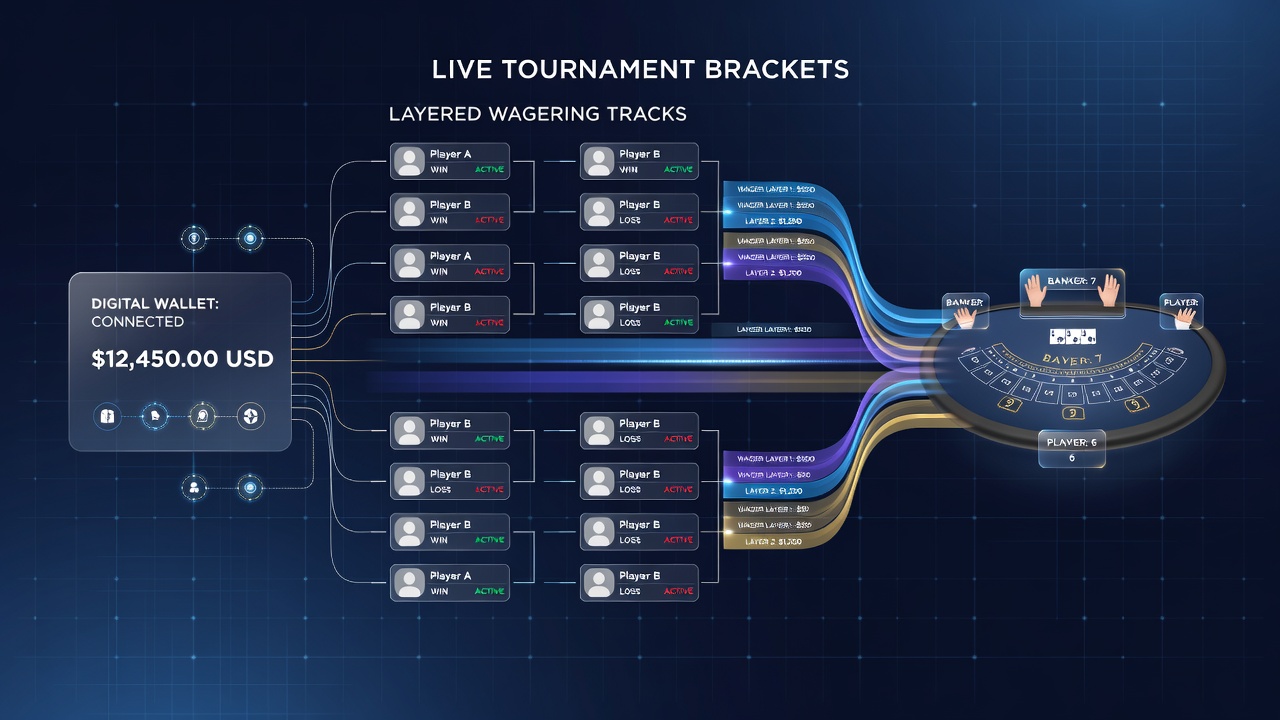
Digital Wallets and Baccarat Tournament Brackets: The Role of Layered Wagering Tracks in Modern Platforms
Platforms that host live baccarat events now route cryptocurrency deposits through digital wallets directly into tournament entry systems, and those connections rely on layered wagering tracks that record each stake level as participants advance through bracket stages. Data from industry tracking services shows that wallet-to-bracket linkages have expanded in several jurisdictions during 2026, with transaction logs confirming real-time updates between player accounts and competition grids.
Layered wagering tracks function as sequential betting tiers where each level corresponds to a specific bracket position, and operators program these tiers so that a wallet transfer triggers automatic qualification checks before the next round begins. Researchers at gaming technology conferences have documented how these tracks maintain separate ledgers for initial entry fees, mid-tournament increments, and final-stage multipliers, which allows the system to verify balances without interrupting live dealer streams.
Mechanics of Wallet Integration with Tournament Structures
Digital wallets establish secure channels to baccarat platforms through API endpoints that synchronize balance data with bracket software, and this synchronization occurs at multiple points during a tournament cycle. When a player funds an account, the platform records the deposit against the first wagering layer, then updates the bracket status once the required stake threshold is met. Observers note that such updates typically complete within seconds, which keeps live event pacing intact while preventing duplicate entries.
Payment processors that support multiple cryptocurrencies feed these transactions into the layered track architecture, and each layer applies distinct rules for minimum and maximum wager amounts. Studies from European gaming research groups indicate that platforms using this model report higher throughput during peak tournament hours because the wallet verification step replaces slower manual approval processes.
Bracket Advancement Through Progressive Stake Layers
Live tournament brackets advance when participants fulfill the conditions of each wagering layer, and the system automatically adjusts pairings based on cumulative stake totals rather than single-bet outcomes. This approach creates a continuous record of activity that tournament administrators can audit after each session. Figures from North American operators reveal that bracket systems tied to wallet feeds have processed over 2.4 million qualifying transactions in the first nine months of 2026.
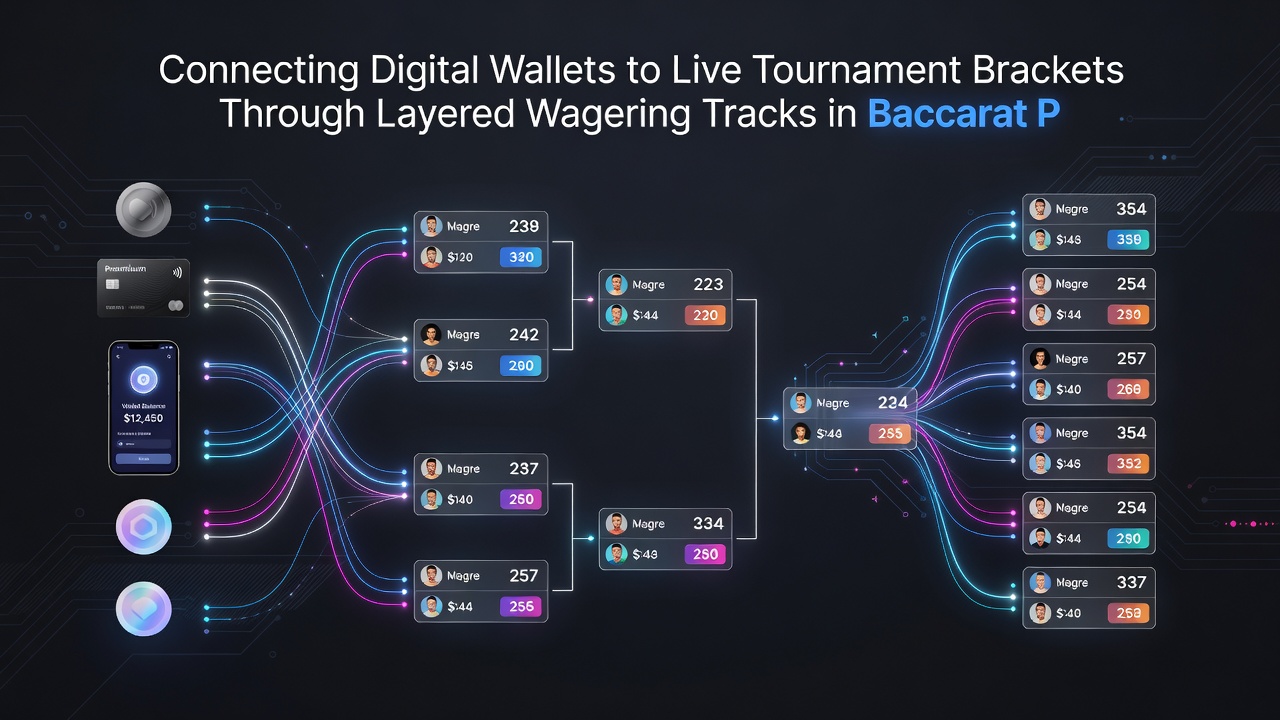
Layer progression also incorporates time-based checkpoints, so a player who meets the stake requirement within the designated window receives an updated bracket position without manual intervention. Canadian regulatory filings describe similar mechanisms in Ontario-licensed environments, where wallet-to-bracket connectivity must comply with standardized reporting intervals that authorities review quarterly.
Regulatory and Technical Considerations Across Regions
Authorities in multiple markets have issued guidance on how wallet integrations must interface with tournament software to maintain transparency, and these guidelines often reference data integrity standards for layered wagering records. In Australia, the Northern Territory's racing and gaming authority has examined protocols that separate player funds from operational accounts during bracket advancement, while Singapore's Casino Regulatory Authority has focused on encryption requirements for live-feed synchronization. Both approaches emphasize audit trails that link each wallet transaction to a specific bracket slot.
Technical vendors now supply modular components that let operators configure wagering layers independently of core tournament logic, which reduces the risk of system-wide disruptions when new bracket formats are introduced. Reports from industry associations note that platforms adopting these components have maintained uptime rates above 99.7 percent during high-volume events scheduled for October 2026.
Future Developments in Connected Wagering Systems
Developers continue to refine the connection points between digital wallets and live brackets by adding predictive analytics that forecast when additional stake layers will be required, and these forecasts help operators allocate server resources ahead of peak activity. Data shared at recent trade events shows that predictive models have improved bracket update accuracy by 18 percent compared with earlier static configurations.
Cross-platform compatibility remains a focus area, particularly as more jurisdictions finalize rules for cryptocurrency participation in baccarat events. The combination of wallet connectivity, layered tracks, and bracket management tools continues to evolve in response to regulatory updates and operator requirements across different markets.
Conclusion
Integration of digital wallets with baccarat tournament brackets through layered wagering tracks has produced measurable changes in how live events manage entries and progression. Documentation from regulatory bodies and technical studies confirms that these systems deliver synchronized updates, maintain separate audit layers, and support expanding transaction volumes through October 2026 and beyond.