Portable Interfaces, Secure Payment Channels, and Pathways Into Baccarat Prize Events
Written by Jonas Bauer · Oct 3, 2026
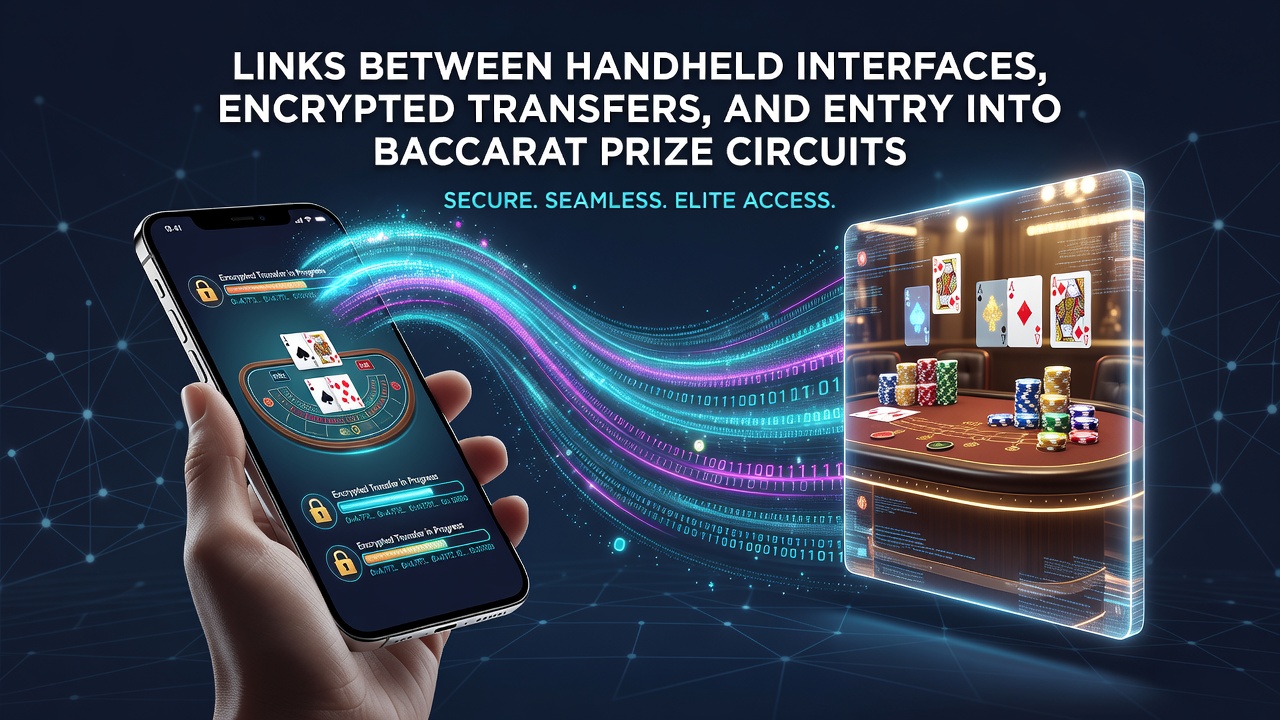
Portable Interfaces, Secure Payment Channels, and Pathways Into Baccarat Prize Events
Portable interfaces now serve as primary gateways for players seeking entry into organized baccarat prize circuits, where encrypted transfers handle the financial side of qualification and participation. Data from multiple jurisdictions shows that mobile applications account for a growing share of tournament registrations, with secure transaction layers reducing friction between device-based registration and actual event access. Observers note that these systems operate across regions including parts of North America, Europe, and Asia, where regulatory frameworks permit such activities.
Handheld Platforms and Tournament Registration Processes
Handheld devices allow users to complete registration steps for baccarat prize circuits through dedicated applications that support real-time verification. In several markets, operators have integrated biometric authentication and multi-factor protocols directly into these interfaces, enabling players to confirm eligibility without separate desktop access. Research from gaming technology providers indicates that mobile registration volumes rose noticeably during 2025 and into 2026, particularly for events scheduled in international venues. One study released by an industry research group highlighted how interface design improvements reduced average completion time for entry forms by connecting directly to encrypted payment rails.
Those who track player behavior report that push notifications and in-app calendars help participants monitor upcoming prize circuits, while embedded tools display qualification criteria such as minimum entry thresholds or historical performance metrics. These features appear consistently across platforms licensed in jurisdictions that permit online tournament access.
Encrypted Transfers as Entry Enablers
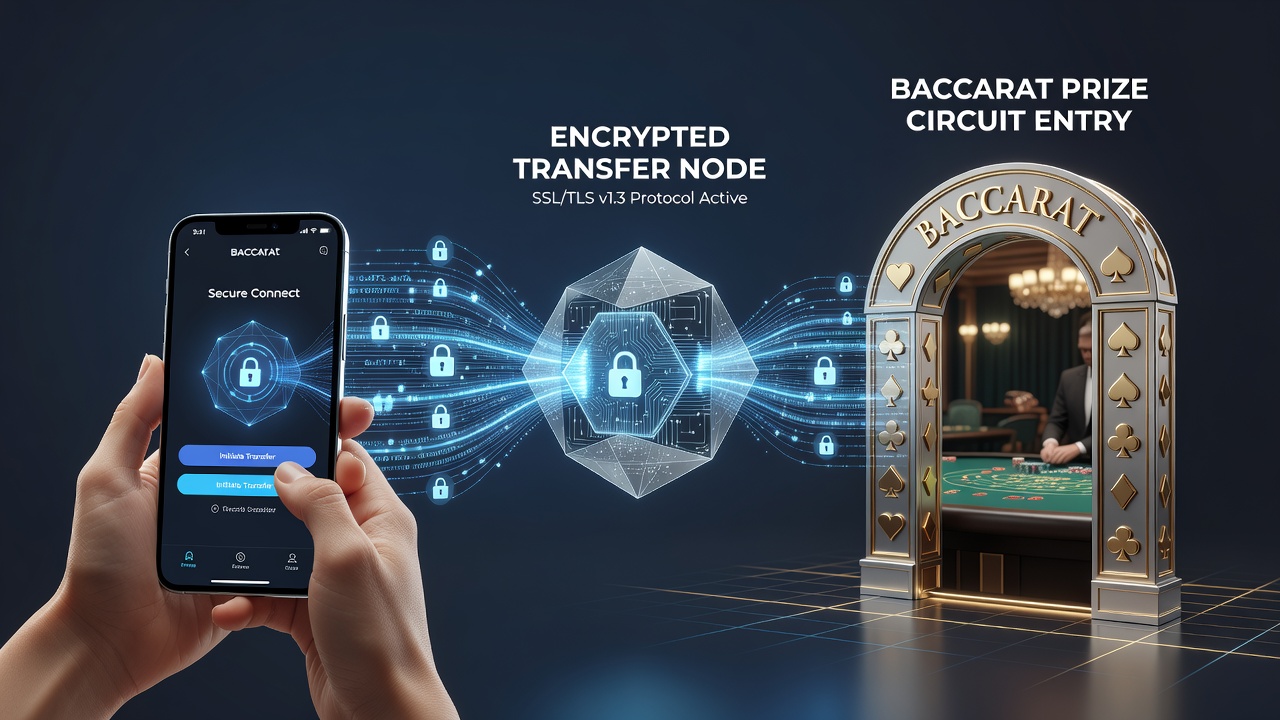
Encrypted transfer methods, including blockchain-based systems and tokenized payment solutions, facilitate the movement of funds required for tournament buy-ins and related fees. According to reports from financial technology analysts, these channels provide audit trails that align with compliance requirements in regulated markets. In October 2026, several operators updated their transaction protocols to incorporate additional encryption standards, responding to evolving data protection expectations from oversight bodies in Canada and Australia. Figures from transaction processors reveal that encrypted methods now represent a measurable portion of total entry-related payments for baccarat events.
What's notable is how these transfers integrate with mobile interfaces to confirm receipt almost instantly, allowing players to secure spots in prize circuits before registration windows close. Regulatory updates in select provinces have clarified acceptable transfer types, which in turn supports smoother qualification for events hosted by licensed cardrooms and online platforms.
Integrated Systems and Geographic Variations
Connections between handheld interfaces and encrypted transfers become most visible in markets where both technologies receive regulatory support. In Ontario, for instance, provincial frameworks require that entry payments for certain gaming events use verified digital channels, which mobile applications then route through encrypted processors. Similar patterns appear in Australian states where gaming associations have documented rising use of secure mobile payments for tournament participation. A 2026 industry overview from an academic research center noted that these combined systems help operators maintain records that satisfy local licensing conditions while giving players direct access to prize circuit brackets.
Observers point out that latency reductions achieved through optimized mobile networks further tighten the link, since confirmation of an encrypted transfer can trigger automatic seat assignment in a baccarat event. Data compiled by European gaming trade groups shows comparable developments in jurisdictions that updated digital payment rules during 2025, though implementation timelines vary by country.
Security Protocols and Participation Records
Security layers built into both interfaces and transfer systems include end-to-end encryption and multi-signature verification, which protect sensitive account details during entry submissions. Industry reports indicate that these measures have contributed to lower reported incidents of payment disputes related to tournament qualifications. Researchers examining transaction logs from licensed operators found that encrypted channels produce clearer audit trails than older payment methods, supporting compliance checks required by regulatory authorities in multiple regions.
Players accessing prize circuits through these integrated pathways often receive digital receipts and confirmation codes directly within the mobile application, streamlining record-keeping for both participants and event organizers. Updates implemented in October 2026 by several platforms incorporated enhanced key management practices, reflecting ongoing adjustments to security standards across the sector.
Conclusion
Portable interfaces combined with encrypted transfer systems have established measurable connections to entry processes for baccarat prize circuits, as evidenced by registration data and transaction volumes reported in regulated markets. These technical linkages continue to evolve alongside updates from oversight bodies and technology providers, shaping how participants qualify for events scheduled through late 2026 and beyond.